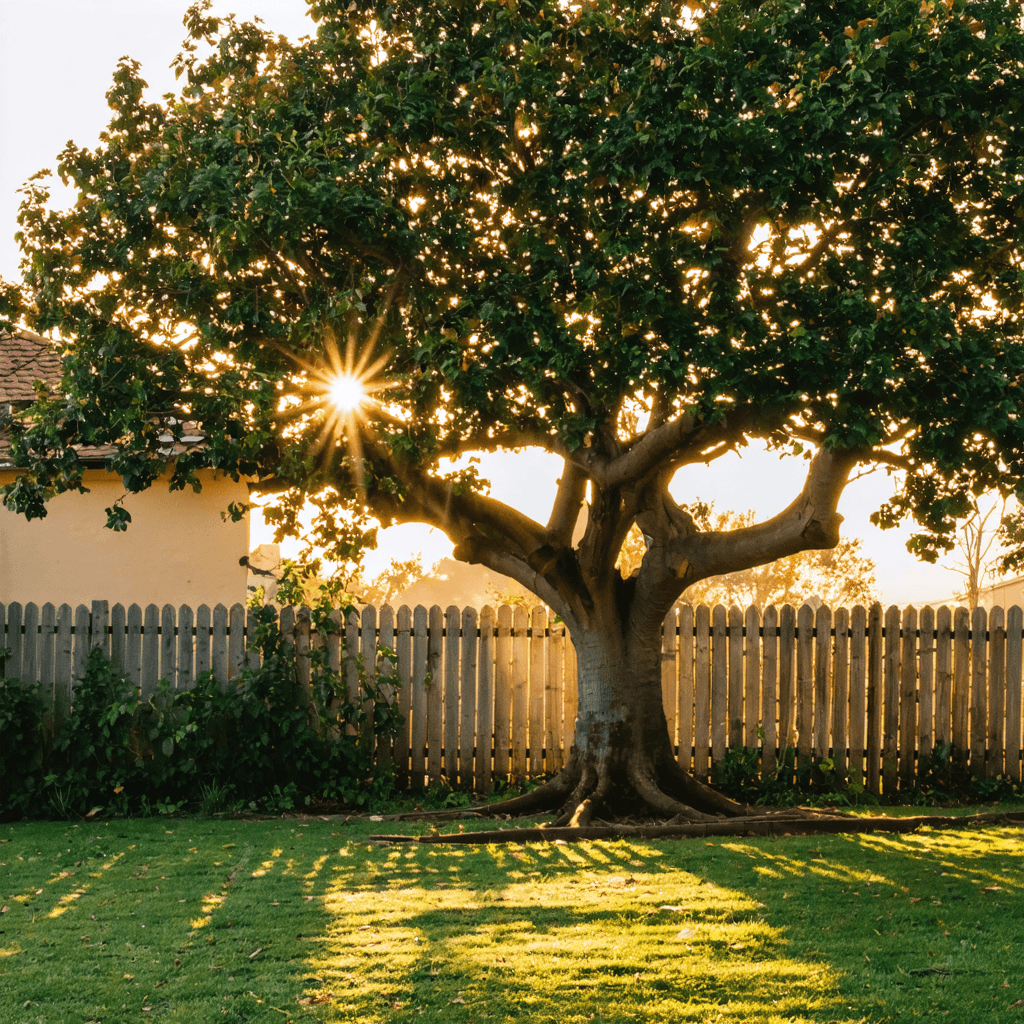
I still remember those sweet, sun-ripened figs we'd pluck straight from the branches. For years I chased that flavor in grocery stores and farmers markets. It was never the same. I thought maybe it was just childhood nostalgia playing tricks on me.
Then my grandfather gifted me a cutting from that very tree. I planted it, started researching fig care, and discovered something I never expected: there are hundreds — maybe thousands — of fig varieties. Within a few months I had acquired over 30 rare cultivars. A collector's habit was born.
I built Orchrd because I needed it. Then I realized every grower does.
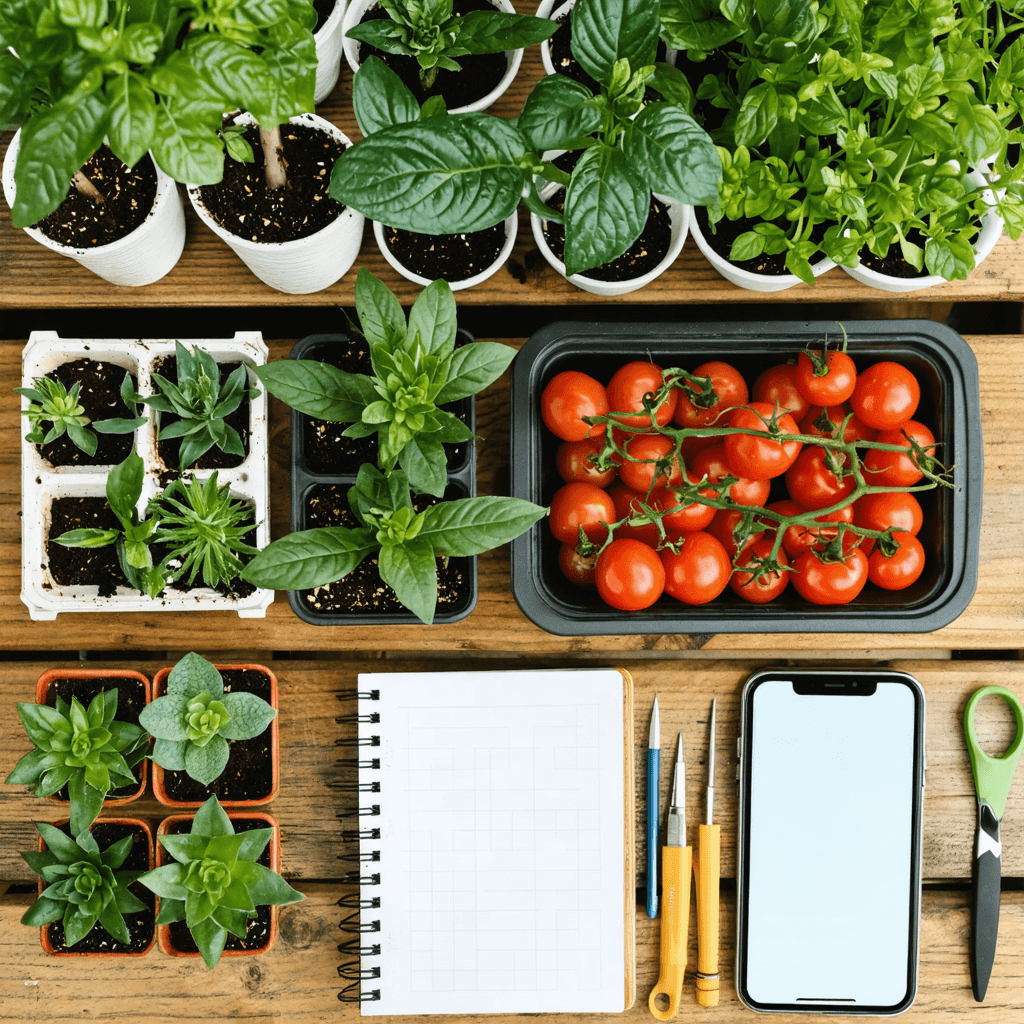
Every new variety came with its own quirks — different soil preferences, pruning schedules, fruiting windows. I logged everything in a spreadsheet: fruiting dates, growth habits, flavor profiles, watering and fertilizing schedules. It worked at first, but the more my collection grew, the harder it was to keep up.
I needed something built for the way collectors actually think about their plants — not rows and columns, but photos, observations, and care logs that tell each plant's story. That's what Orchrd does.
Your personal catalogue — Every plant, photo, and observation in one place.
Care schedules — Watering, fertilizing, pruning — never forget what needs attention.
Capture your experiences — Document growth over time with photos and notes.
I kept a wishlist in a spreadsheet too. I'd manually share it with other collectors and scroll through social media looking for someone who had what I wanted — and who also wanted what I had. It was fun and exciting, but messy and disorganized. Finding a mutual match felt like searching for a needle in a haystack.
Trust was a bigger problem. Most collectors buy from other individuals, not big-box stores with return policies. You have to trust that the person selling you a rare cultivar is giving you the right variety. Sometimes you wait two or three years for a plant to fruit before you can verify what you actually got. If it turns out wrong — mistake or scam — you have no recourse. I watched new collectors get taken advantage of on eBay and Etsy.
Discover new plants — Browse what others are growing and find your next obsession.
Admire other collections — See how growers around the world care for the same varieties you love.
Trade with other growers — Propose swaps directly, with provenance tracking so everyone knows what they're getting.
When that first Black Madeira ripened, it was like tasting my grandfather's tree all over again. Fresh figs are extraordinary — and the only way to experience their full flavor is to grow them yourself.
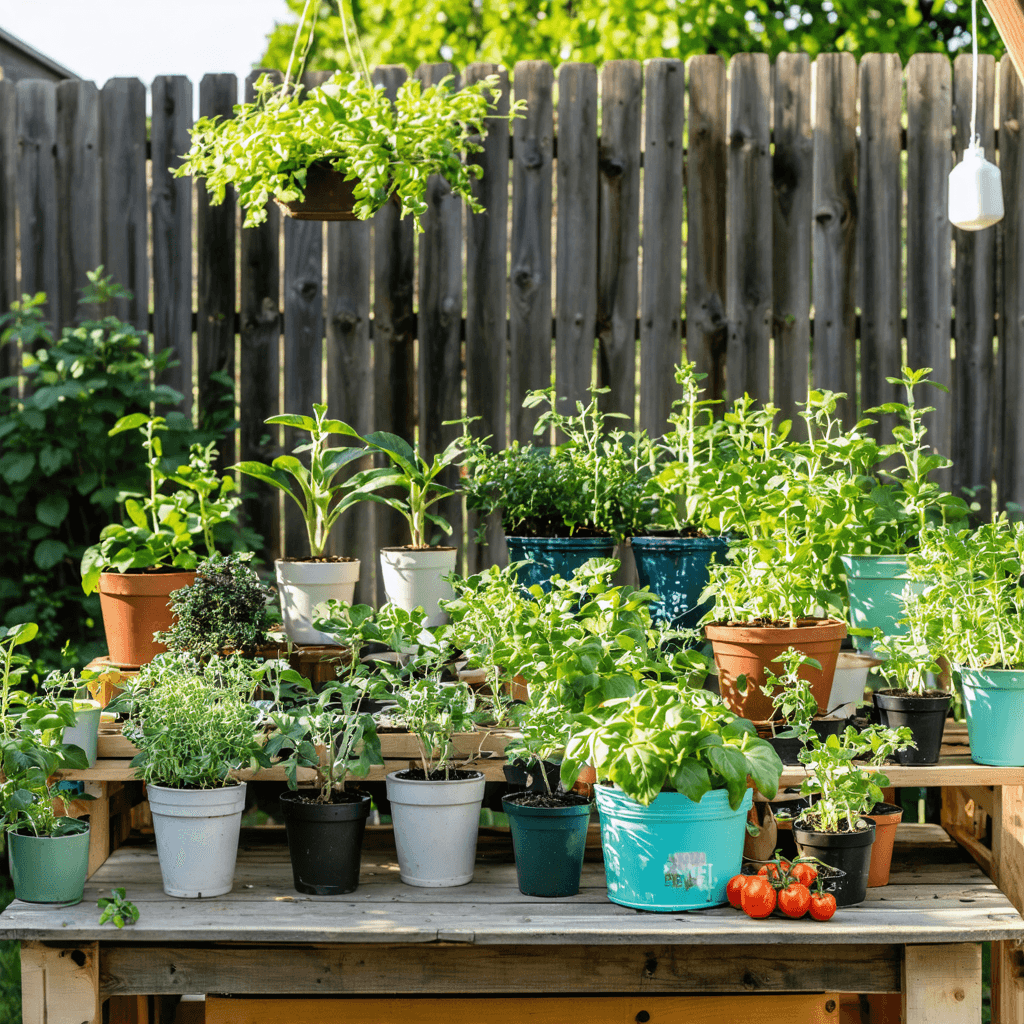
That fall, I acquired over 200 mature fig trees from a local collector — all different varieties. My little side hobby was suddenly a backyard nursery. I was excited to share these trees, but managing it all was more work than I expected.
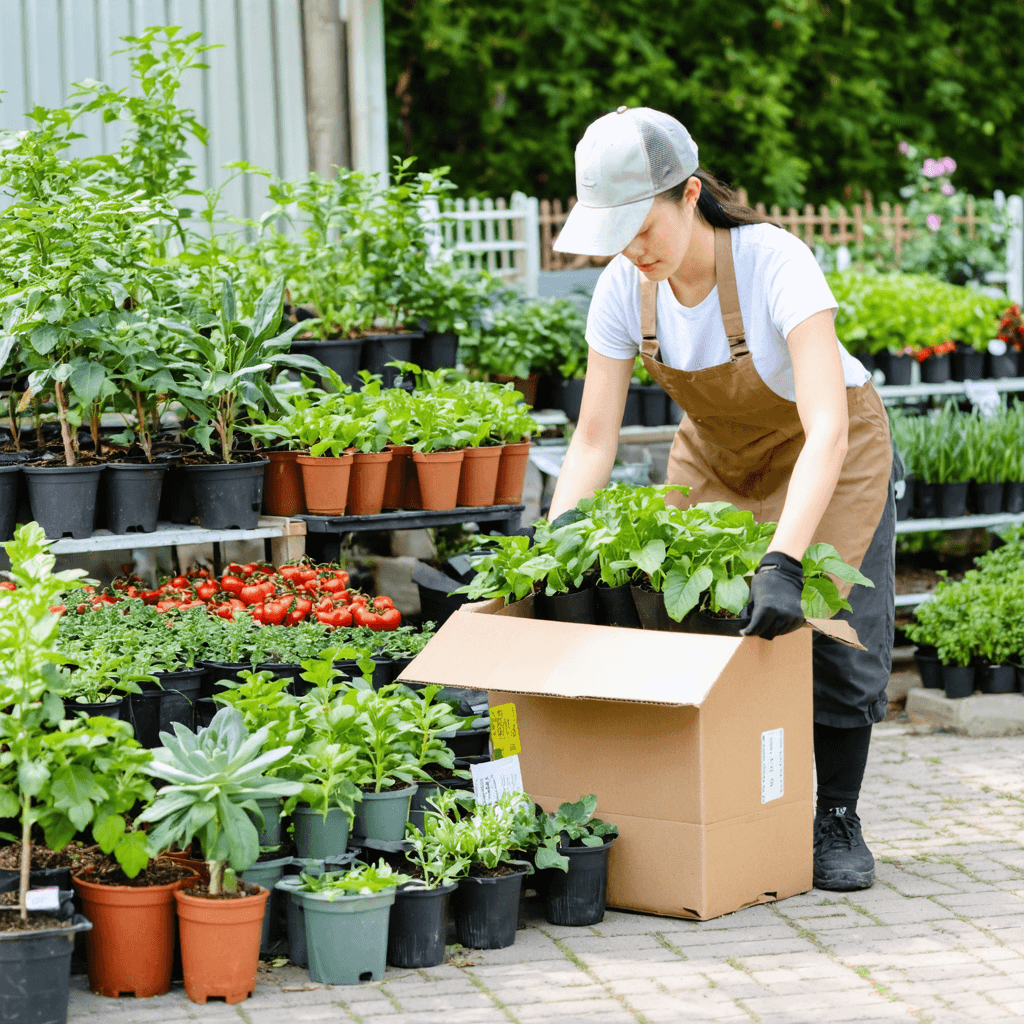
I started selling cuttings on Facebook Marketplace. Constant posting, following up on comments and messages, sharing Venmo requests. A lot of work for a little reward. So I formed an LLC, bought a domain, launched a Shopify store, created a Google account for customer email. The costs added up to over $1,000 per year — decimating the profits from what was supposed to be a side hobby.
Side-hobby growers shouldn't need enterprise tooling.
Launch your storefront for free — No monthly fees, no platform costs. List your plants and start selling — payments handled securely through Stripe.
I've been burned. I waited two years for a tree to fruit, only to discover it wasn't the variety I was sold. In a community where most transactions happen between individuals — not big-box stores with return policies — trust is everything.
Every plant on Orchrd carries a history. Purchases, trades, transfers — that lineage is recorded permanently. When you buy a rare cultivar, you can see where it came from. When you sell one, the buyer knows your track record. Provenance tracking helps verify the origins of rare varieties and builds the kind of trust this community deserves.
Plant naming is complex — the same plant can have multiple valid names across scientific classifications, trade names, and regional common names. Rather than enforcing a single “correct” name, Orchrd stores all name claims and lets the community surface alternatives. Names are pointers to identity, not declarations of absolute truth.